Toddler costs add up through nappies, food, clothes and equipment, and a few small changes in each area can make the family budget go further. The savings mostly come from timing and habit rather than from going without. The three areas below are where there’s often the most room, starting with the one that has a clear end date.

Nappy Costs and Life After Nappies
Supermarket own-brand packs work out far cheaper per nappy than big-name brands, with a 2024 review pricing the cheapest at 6p each against 21p for the best-selling pack. Wipes and nappy bags follow the same rule, so own-brand versions are worth trying before committing to a branded set. Buying the next size up only once your child has outgrown the current one avoids a cupboard full of nappies that no longer fit, and most supermarkets will exchange an unopened pack that turns out to be the wrong size.
Once a child is out of nappies, the weekly spend on packs and wipes falls away, and some parents arrange potty training support to make that move go more smoothly. Readiness varies, and most children show signs after 18 months, so waiting for interest in the potty and longer dry stretches during the day is a sensible way to judge when to begin.
Food and Everyday Meals
Cooking one meal for the whole family and setting the toddler’s portion aside before any salt goes in usually works out cheaper than buying separate toddler food. Planning the week’s dinners around what’s already in the cupboard and writing a short list before shopping cuts down on impulse buys and leftovers that never get eaten.
Doubling a recipe and freezing half gives you a ready meal for the days when nobody has the energy to cook, and frozen fruit and vegetables are often cheaper than fresh ones out of season and don’t get thrown away when plans change. Leftovers from a roast or a pasta bake can become a second dinner. Water in a beaker is cheaper than juice or squash, and it’s easier on small teeth.
Clothes, Equipment and Days Out
Children outgrow clothes long before they wear out, and plenty of parents already buy second-hand, with 42 per cent opting for it in one survey of parents of school-age children. Nearly-new sales, charity shops, swaps with friends and online marketplaces all work, and passing outgrown items along keeps the cycle going.
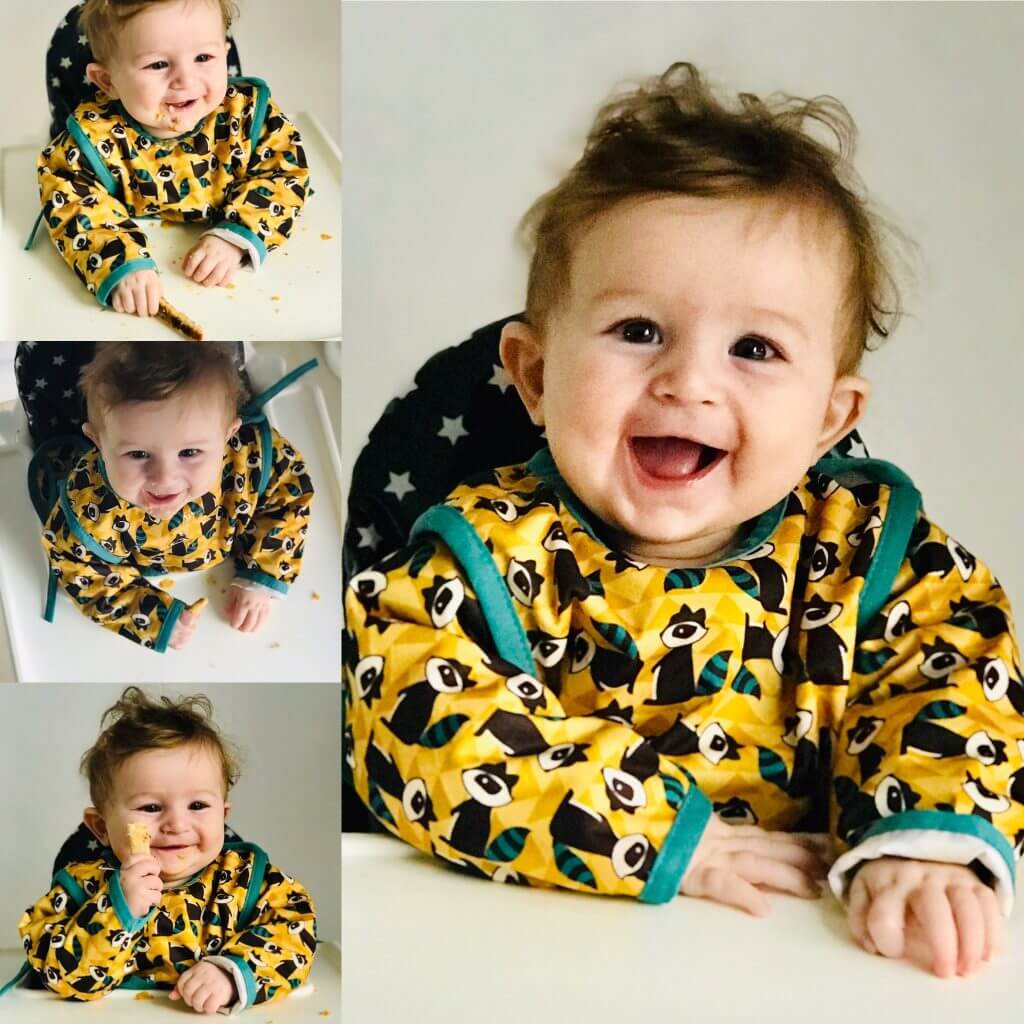
Bigger items such as a highchair, a travel cot or a toddler bed are worth checking on local selling groups first, because they’re often used for a short time and sold on in good condition. For days out, libraries, parks and toddler groups cost little or nothing, and rotating a box of toys every few weeks makes old ones feel new again.
None of this calls for a strict budget spreadsheet or a long list of rules. Picking one area to tackle first, whether that’s nappies this month or meals next, and letting the savings fund the next change keeps the toddler years affordable without taking the fun out of them.
Last Updated on October 22, 2026 by Lucy Clarke