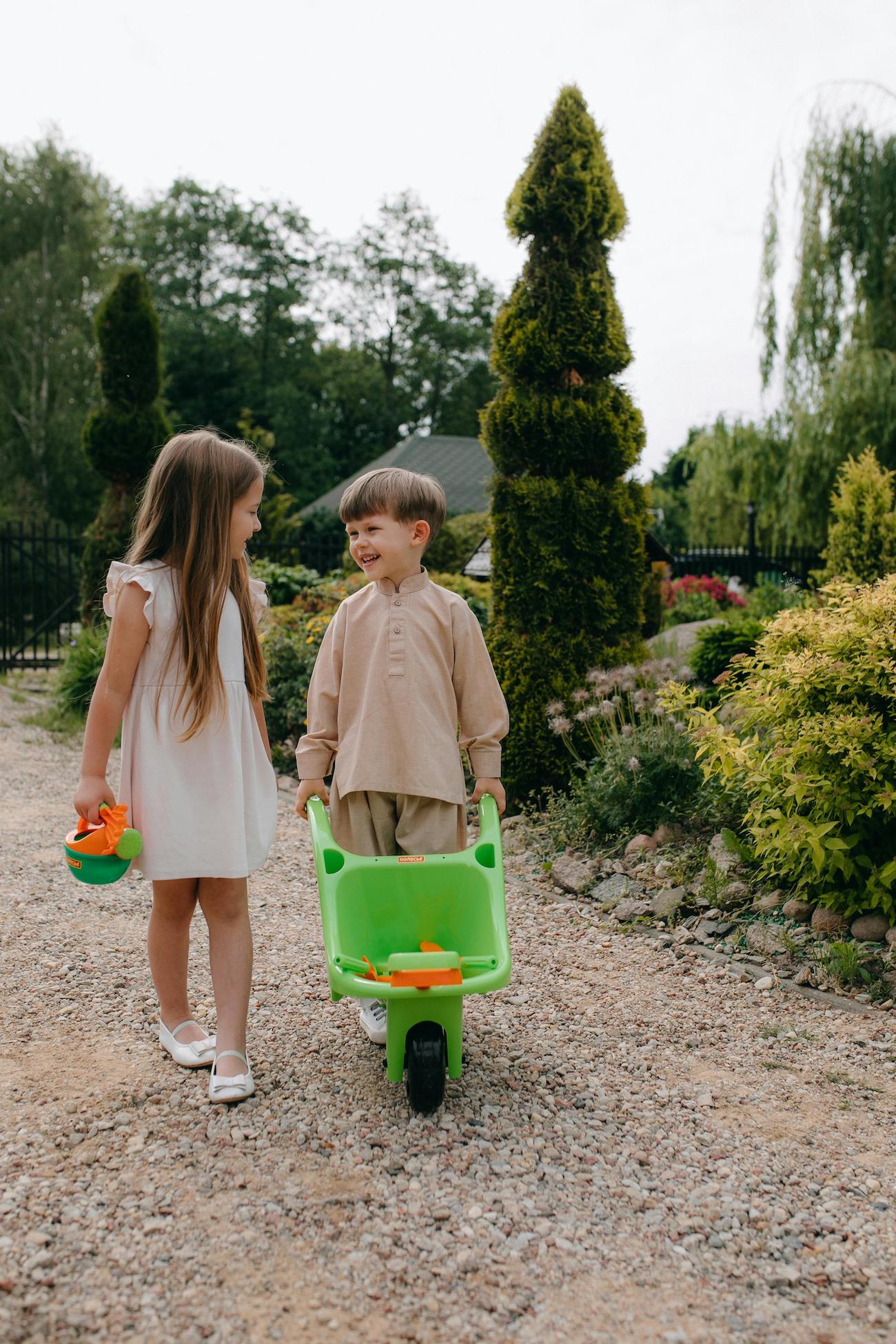
A family garden is rarely quiet, perfectly styled, or untouched for long. It is a space where toys get left out, muddy footprints appear without warning, and moments of calm sit right alongside bursts of energy. The challenge is not to control that balance but to design a garden that embraces it. When done well, your outdoor space becomes somewhere both parents and children genuinely want to spend time, not just pass through.

Start With Purpose, Not Just Plants
The most effective family gardens begin with intention. Instead of thinking purely about planting schemes or furniture, consider how the space will actually be used day to day. Parents often want somewhere to relax, entertain, or enjoy a quiet coffee. Children need room to move, explore, and play freely.
Dividing the garden into zones is one of the simplest ways to achieve this balance. A lawn or open area can become a play zone, while a patio or deck creates a place for seating and dining. A separate corner for planting or gardening activities adds another layer of purpose.
When each area has a clear role, the garden feels more organised and easier to enjoy. It also prevents one activity from taking over the entire space, which is often what makes gardens feel chaotic rather than lively.
Safety That Feels Natural, Not Restrictive
Designing with children in mind means thinking carefully about safety, but this does not have to come at the expense of style. The goal is to create an environment that feels open and inviting while quietly reducing risks.
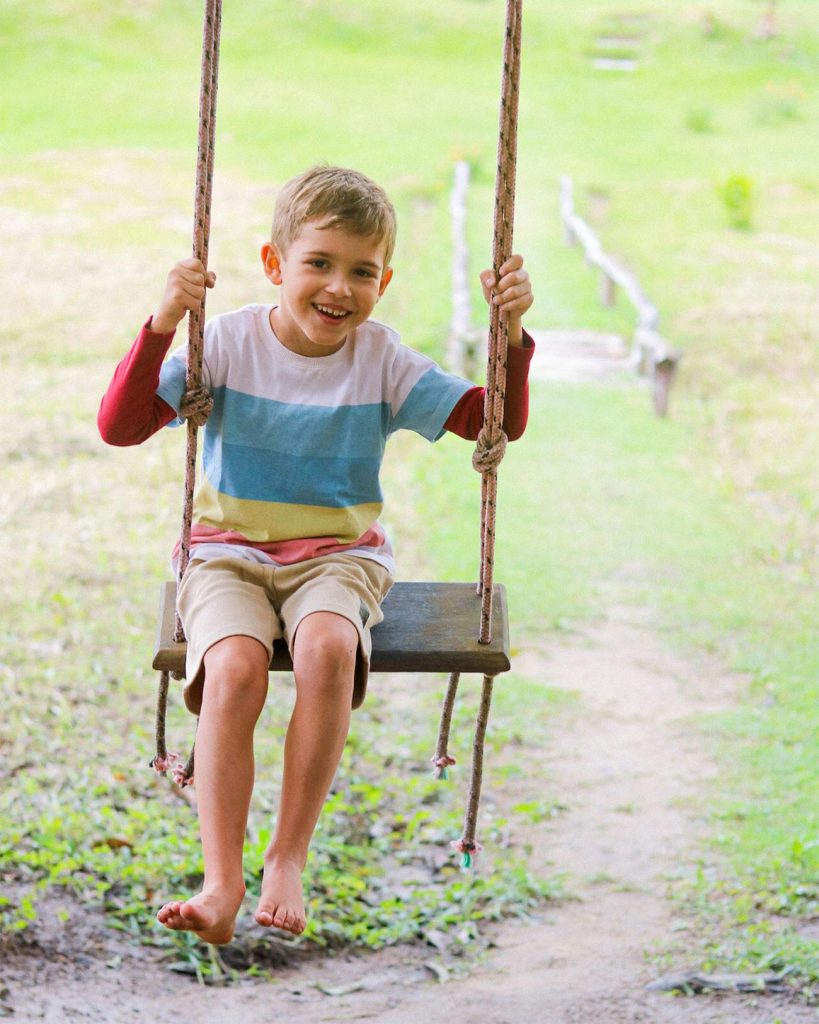
Soft surfaces such as grass or bark work well in play areas, while non-slip paving helps keep pathways practical and safe. Clear sightlines are also important. Being able to see children easily from seating areas or inside the home brings peace of mind without constant supervision.
Plant choices play a role, too. Avoiding thorny or toxic varieties ensures the garden remains a safe place to explore. Subtle design decisions like defined borders and gentle level changes can guide movement without the need for barriers or restrictions.

Turning Gardening Into a Shared Activity
One of the most rewarding aspects of a family garden is the opportunity to involve children in its care. Gardening offers hands-on learning, encourages curiosity, and creates a sense of ownership. Creating dedicated growing areas makes this easier and more enjoyable. Using corten steel raised beds and planters introduces structure while keeping planting accessible. Children can reach, water, and harvest without difficulty, and the defined spaces help keep the rest of the garden tidy.
Growing simple vegetables, herbs, or flowers allows children to see real results from their efforts. It also transforms the garden into something interactive rather than purely decorative. Over time, these small experiences build lasting connections with nature and encourage time spent outdoors.

Spaces Parents Can Truly Enjoy
A common oversight in family garden design is focusing entirely on children’s needs. While play is important, the garden should also feel like a retreat for adults.
Comfortable seating, whether it is a lounge set or a simple bench, makes a huge difference. Adding a dining area encourages shared meals outdoors, turning everyday routines into something more memorable. Lighting can extend the use of the space into the evening, creating a softer, more relaxed atmosphere once the day winds down.
Positioning these areas strategically allows parents to relax while still keeping an eye on their children. This balance is what transforms a garden from a practical space into one that genuinely enhances daily life.
Encouraging Play Without Overcomplicating It
Children do not need elaborate equipment to enjoy a garden. In many cases, simpler, nature-based features inspire more creativity and longer-lasting engagement.
Open lawns provide room to run and play freely. Stepping stones, logs, or uneven pathways can turn movement into a game. Small hideaways or dens give children a sense of independence and imagination.
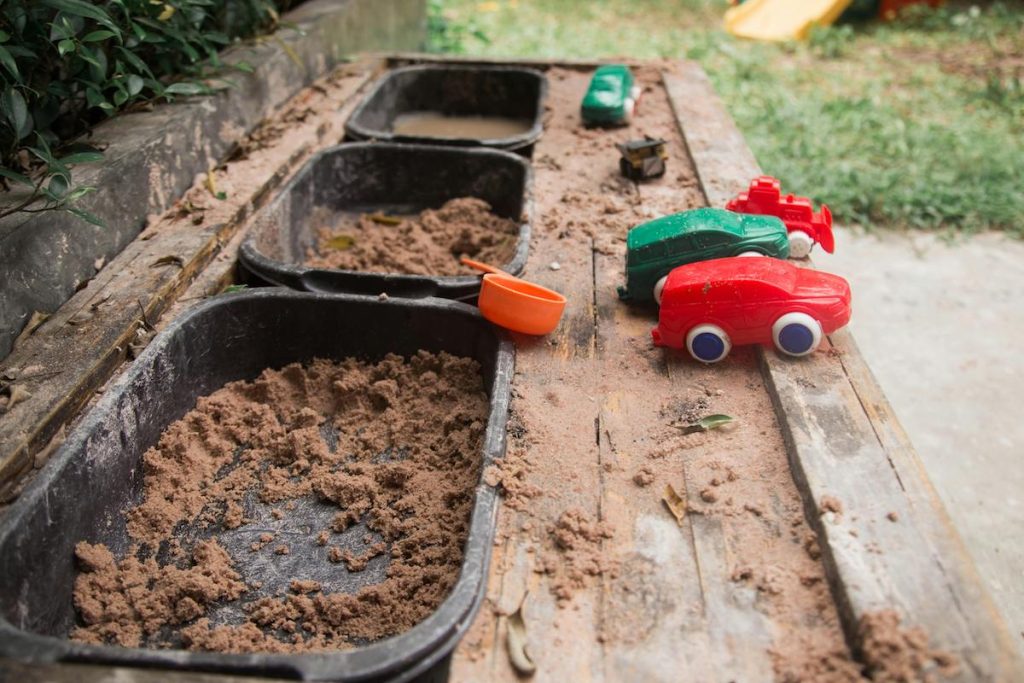
Adding elements like a digging patch, a mud kitchen, or a wildlife corner introduces variety without overwhelming the space. These features invite exploration and help children engage with the garden in their own way.
A slightly less polished area can often be the most valuable part of the garden. It encourages curiosity, experimentation, and a deeper connection with the outdoors.
Designing for Growth and Change
Children grow quickly, and their needs change just as fast. A garden that works today should still feel relevant in a few years.
Flexibility is key. Open spaces can adapt from play areas into social zones. Temporary features can be replaced with more permanent ones as children get older. Choosing durable materials ensures the garden withstands constant use without losing its appeal.
Thinking ahead does not mean sacrificing current enjoyment. It simply ensures that the garden continues to serve your family rather than needing a complete redesign every few years.
Last Updated on April 15, 2026 by Lucy Clarke