
If getting behind the wheel makes you feel tense or uneasy, you’re far from alone. Around 20% of people in the UK experience some level of driving anxiety, whether it’s a fear of motorways, heavy traffic, or just being in control of a vehicle. It’s more common than most people realise, and it’s something we should take seriously.
For a start, it’s important to understand that anxiety doesn’t derive from a lack of knowledge or practice behind the wheel. But it doesn’t mean you can’t find ways of easing it.
What is driving anxiety?
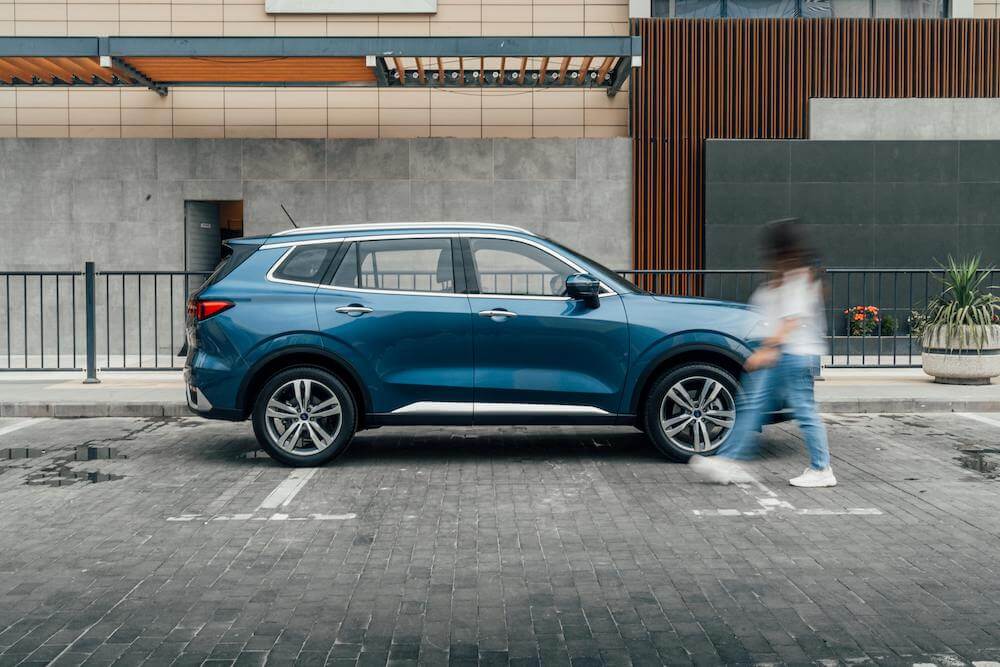
Driving anxiety can show up in different ways. Some people feel panic on motorways, others avoid unfamiliar routes, and some struggle with the sheer mental load of being responsible for a car. For many, it’s tied to past experiences, like accidents or near misses. For others, it’s linked to conditions like generalised anxiety, PTSD, or neurodivergence.
While things like breathing techniques or therapy can be helpful, making smart lifestyle choices also plays a role. Some people turn to supplements like CBD for anxiety. It can help when creating a driving experience that feels more manageable and, therefore, means less pressure and more peace of mind.
What makes a car anxiety-friendly?

The car you drive can play a big role in how you feel. Not all vehicles are equal when it comes to comfort and ease of use. Some features can take the edge off and make the whole experience far less overwhelming:
- Automatic transmission removes the need to juggle gears in traffic.
- Driver-assist features like lane-keeping, blind spot detection, and emergency braking reduce cognitive load.
- Parking sensors and rear-view cameras help with manoeuvring in tight spaces.
- Comfortable seating and quiet interiors can reduce sensory overload.
- Reliable tech like intuitive navigation, voice control, and digital dashboards
Look for a car that puts your anxiety first

If you’re looking for a car that prioritises comfort, safety, and simplicity, Hyundai vehicles are worth considering. The brand has built a reputation for producing vehicles that are user-friendly, reducing stress on the road.
Many models, like the Hyundai i10, Kona, or Tucson, are available with automatic gearboxes and come equipped with helpful tech designed to make driving feel more intuitive. Besides, advanced safety systems, like lane-keep assist and smart cruise control, are standard in most newer Hyundai models. That’s a huge plus for drivers who want more support on the road.
Hyundai cars are also known for being low-maintenance and reliable, which removes the added anxiety of unexpected breakdowns or expensive repairs. Finally, for anyone dealing with chronic pain, mobility issues, or limited energy, the ergonomic design and accessibility options can really make a difference.
If you’re ready to explore vehicles that prioritise peace of mind, this is your sign to search Hyundai dealers near me on Google.
Other habits that make a difference
Of course, the car you drive is only part of the equation. There are also a few small changes that can help ease anxiety behind the wheel:
- Plan your route ahead of time.
- Drive during quieter hours to avoid busy roads and rush-hour stress.
- Practice short trips regularly to build confidence over time.
- Let your tech do some of the work to make things easier.
Driving anxiety can affect 1 in 5 drivers, so it is important to learn how to manage it. Unmanaged anxiety could cost you your mobility when you are too worried about driving. Now’s the time to look for the right answer for you.
Last Updated on June 22, 2025 by Lucy Clarke